


History of the House of Ruland
In 1862, in the up-and-coming tourist resort Altenahr next to the cooperage workshop of Karl Josef Ruland, a native of Andernach, the first six guest rooms were set up, which his wife Elisabeth rented out. With this, the Ruland family laid the foundation for today's Hotel Ruland on the Ahr River.
Their son, Michael Josef Ruland, whose profession is listed as innkeeper and cooper from 1880 onwards, took over the business from his parents and ran it until his death on April 14, 1892.
Since his first wife, Maria Anna Langen, had died in 1878 giving birth to their fifth child, Ruland married her sister, Mechthildis Langen. After his death, she married the Recher winegrower Jakob Josten, but retained the name "Ruland." Around the turn of the century, the Jostens expanded the business by adding 20 beds and additional dining rooms.
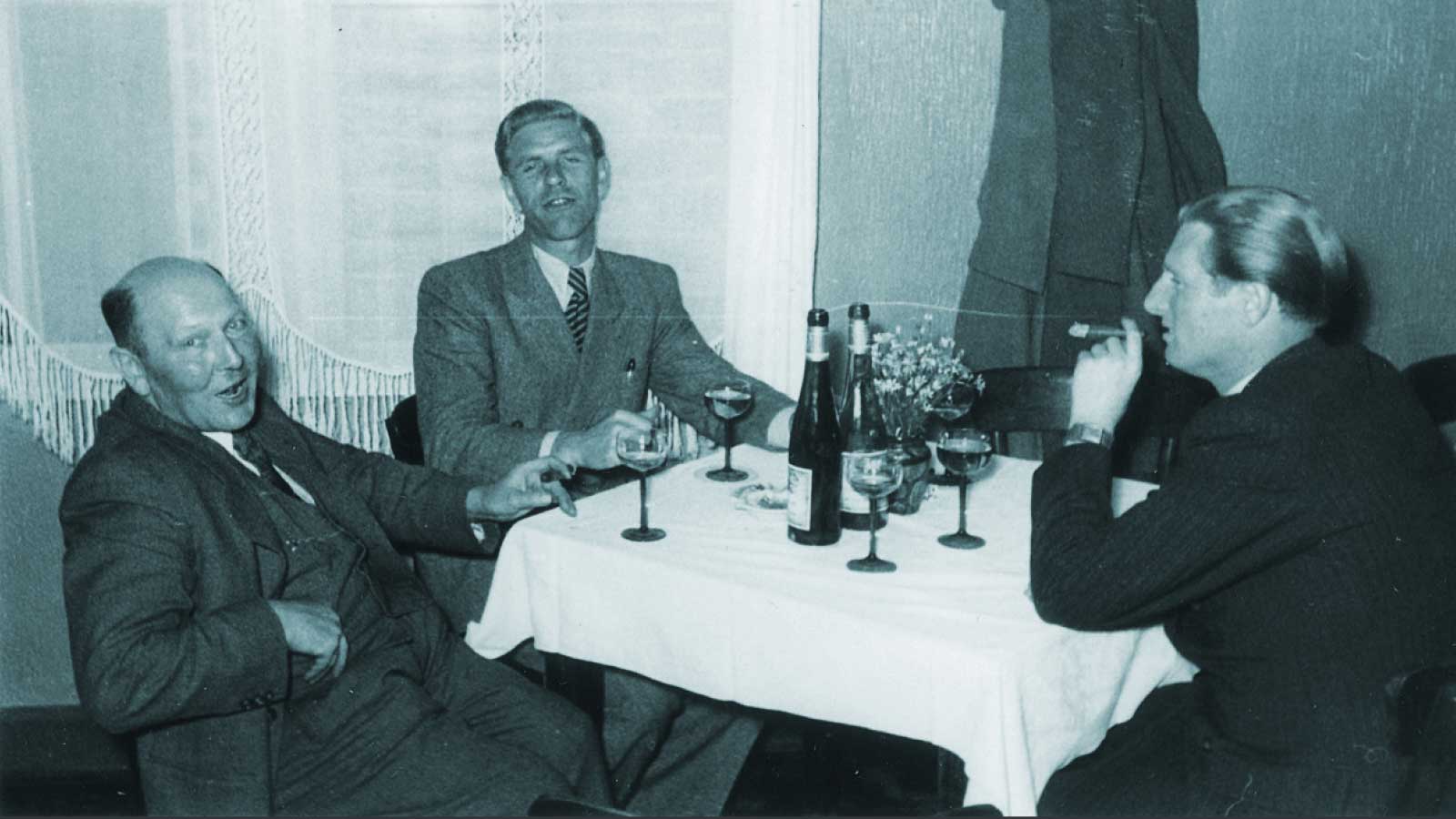
Ruland House after 1945
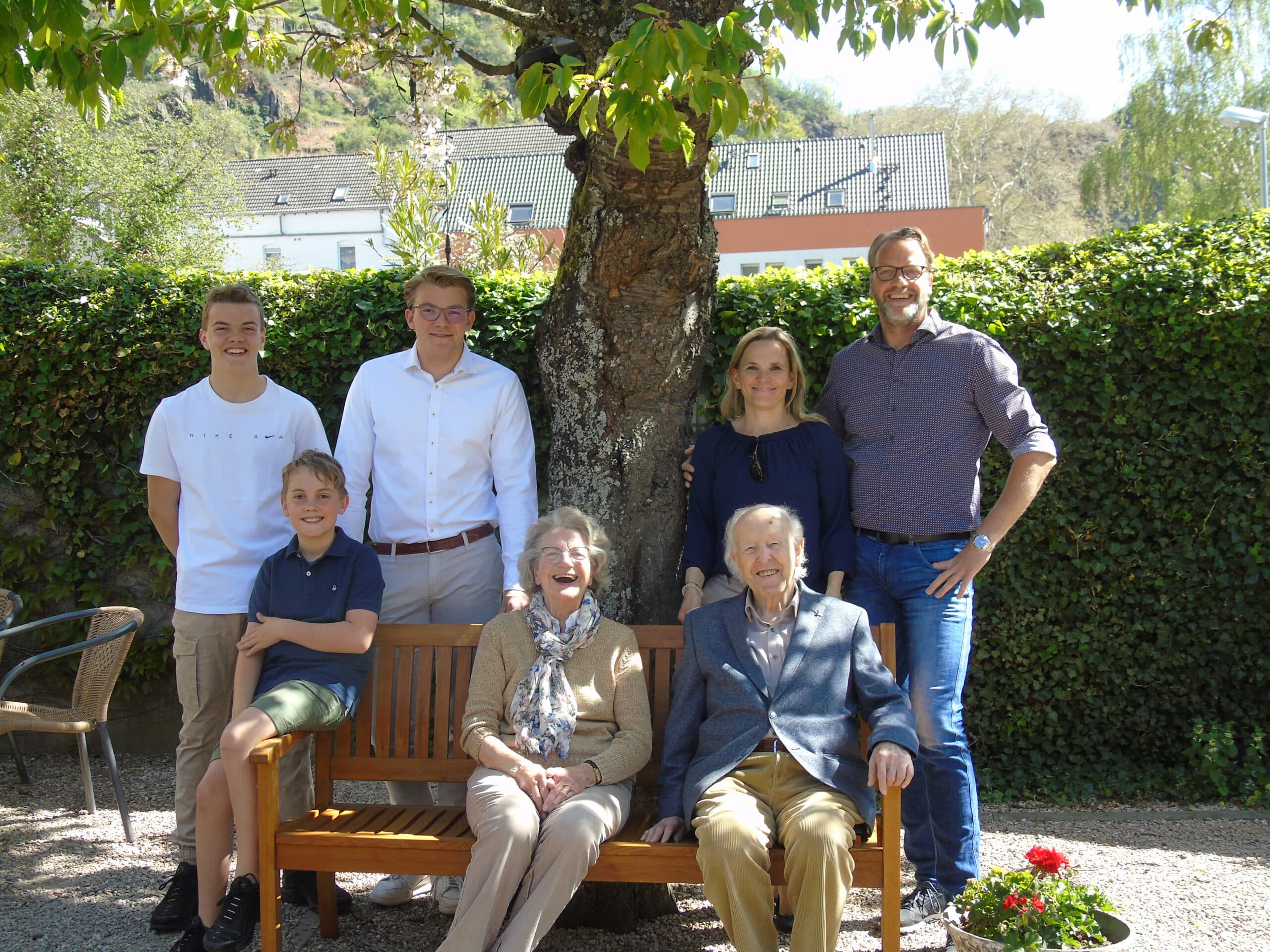
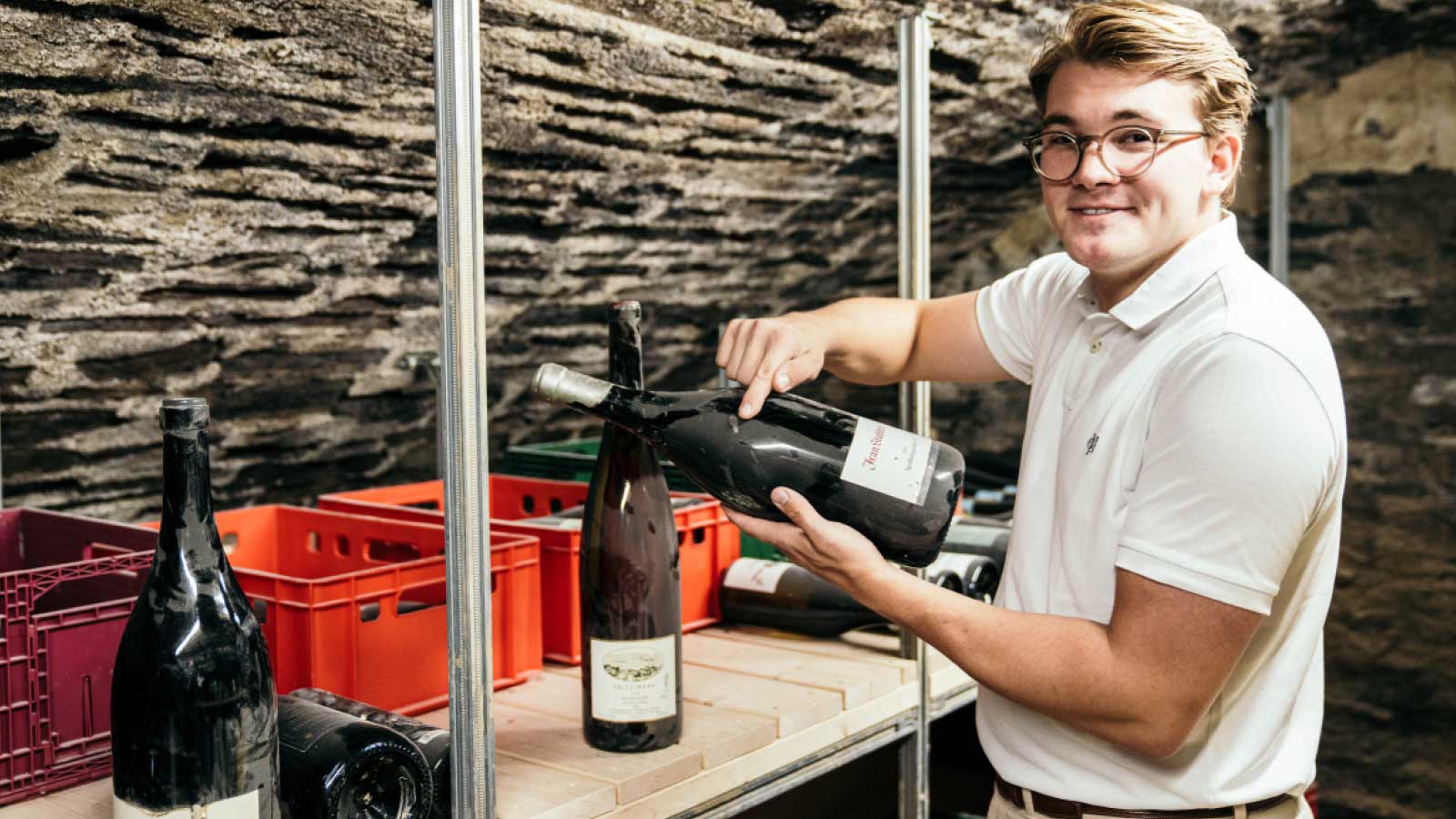
After difficult war years, during which their eldest son, Jakob-Erich (born 1927), was drafted, their daughter Gertrud and her husband, Heinrich Carnott from Ahrbrück, took over the business. Initially, the focus was on rebuilding. Like many families at that time, the Carnotts also cultivated their own vineyards alongside the inn, which are still tended by Andreas Carnott today.
From inn to hotel
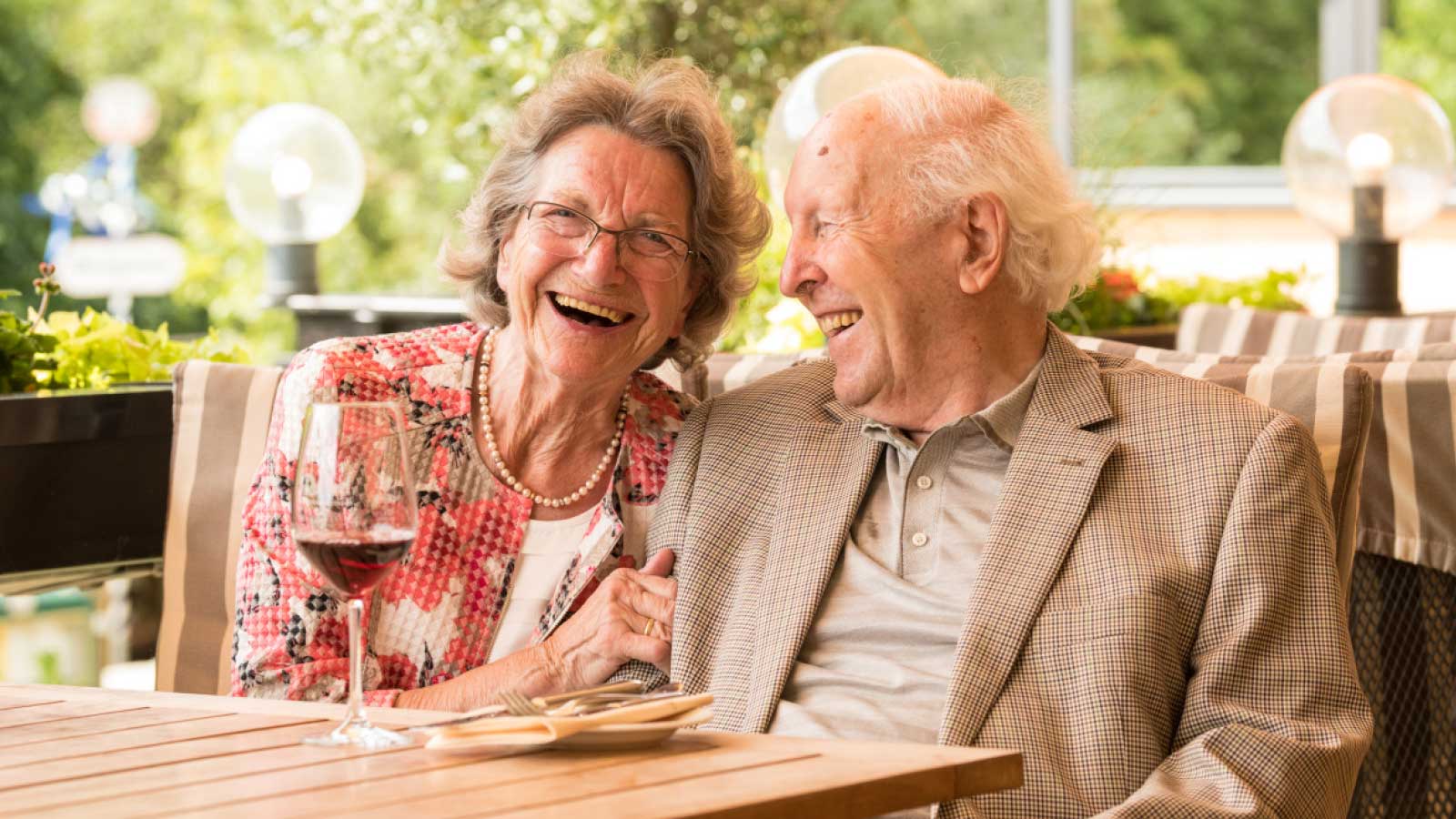
Even after Heinrich's death in February 1958, Gertrud continued to run the business until she handed it over to her son in 1970. Jakob-Erich had completed hotel management training at the state hotel management school on Lake Tegernsee (1952–1954) after returning from French captivity as a prisoner of war in 1948. His wife, Henriette Heinen from Ahrweiler, the daughter of a vintner, was one of the few women of her time with a completed apprenticeship as a chef. Together, they laid the foundation for the modern hotel operation of the 1980s through numerous construction projects. The Hotel Ruland, with its approximately 200 seats, soon established itself as a popular hotel in the Ahr Valley.
New Away
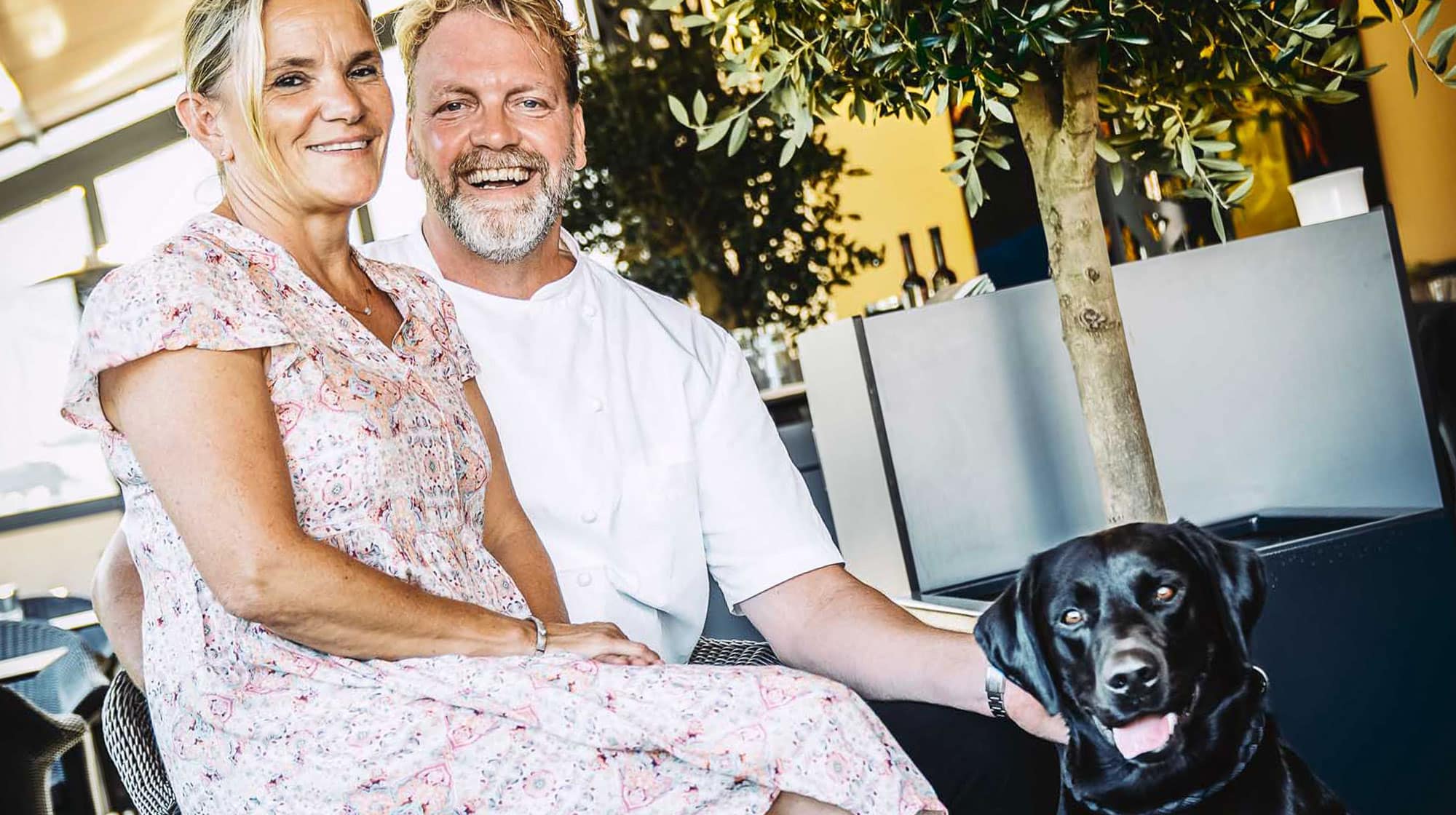
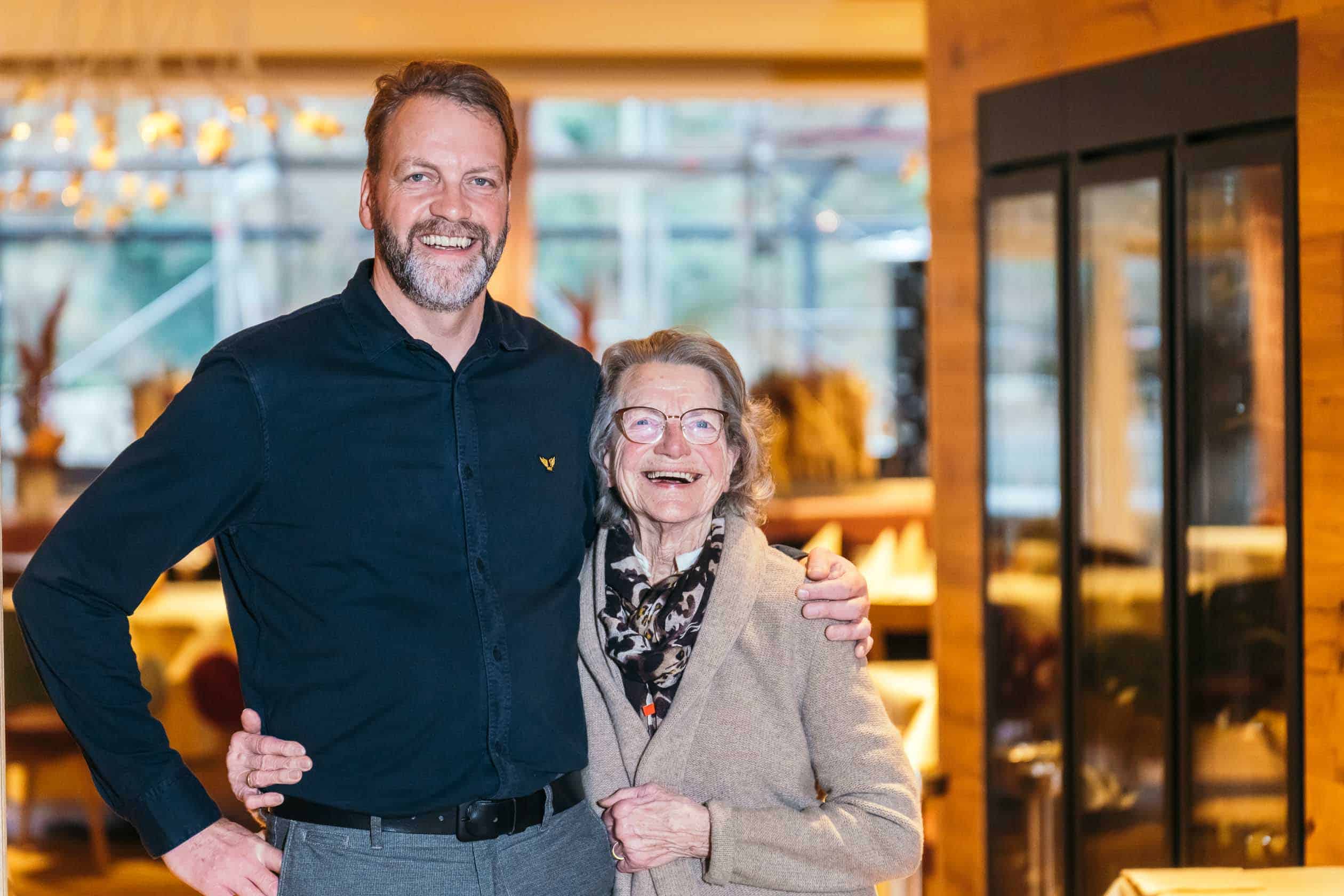
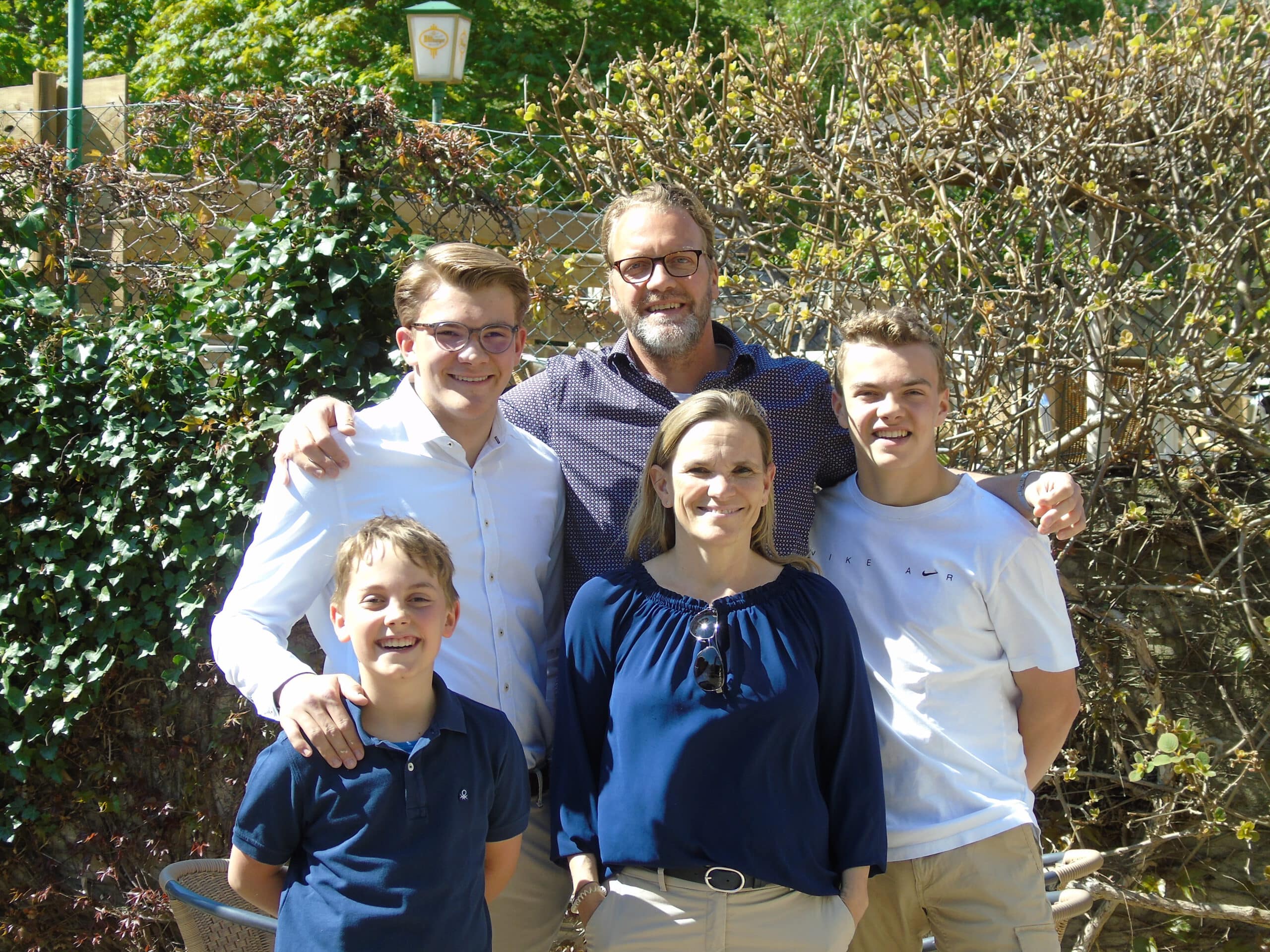
After 29 years of management, the hotel was handed over to Andreas Carnott in 1999. With him, a new era began: The youngest of four siblings, who had worked for Michelin-starred chef Hans-Stefan Steinheuer and at Steigenberger hotels in Bad Neuenahr and Hamburg, among others, immediately started modernizing the building. Together with his wife Bernadette, he consistently developed the hotel further – adding an elevator, renovated rooms, and a clear concept for the restaurant. The idea for the beer garden on the Ahr promenade also took shape in early 2004.
With the opening of the Brunnenhaus (Well House) in May 2014, the hotel moved into the 4-star category. The renowned architect Hans Jürgen Mertens from Bad Neuenahr created a new guesthouse with twelve suites on the site of the former Hotel Mönch. The facade design incorporates the motif of the vineyards and reflects the close connection to the region. A 17th-century well discovered during the demolition work gave the building its name.
The Ahr flood
While the hotel remained flexible and up-to-date even during the Corona crisis, the flood in July 2021 brought about a profound change: the restaurant, kitchen, garden and two floors of the well house were completely destroyed.
Just two weeks after the flood, Andreas Carnott decided to continue running the family business and to rebuild it sustainably for future generations.
Ruland today
Following its reopening in late summer 2022, the Hotel Ruland presents itself as modernized and expanded – including with a Sauna on the third floor, a newly designed Restaurant area with fireplace lounge as well as the restored outdoor area and Weingarten directly on the Ahr River.
Today, the Hotel-Restaurant Ruland presents itself as a modern 4-star establishment in the heart of the Ahr Valley. Spacious rooms, a restaurant renowned beyond the region, the popular vineyard directly on the banks of the Ahr River, as well as sauna and fitness areas combine comfort, enjoyment, and relaxation in a unique way. The hotel remains family-owned to this day – characterized by genuine hospitality, regional ties, and a commitment to blending tradition and modernity.